Gold and silver started the week trying to find their footing after Friday’s brutal, market-shaking sell-off. It was the kind of move that forced traders to stop watching charts and start watching positioning, margins, and the dollar.
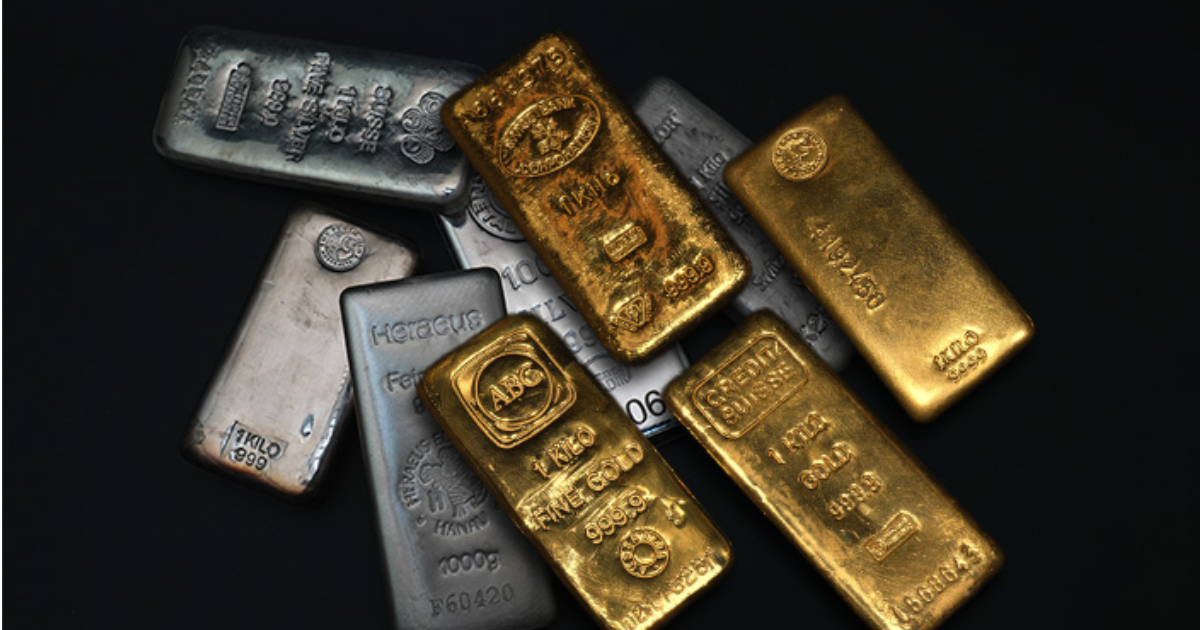
Gold was still lower on the day but well off its lows, hovering around the mid-$4,000s per ounce after suffering its sharpest one-day drop in years. Silver remained the wilder ride. After spiking to a record high late last week, it has since swung violently and was trading around the high-$70s/low-$80s range as the market tried to stabilise.
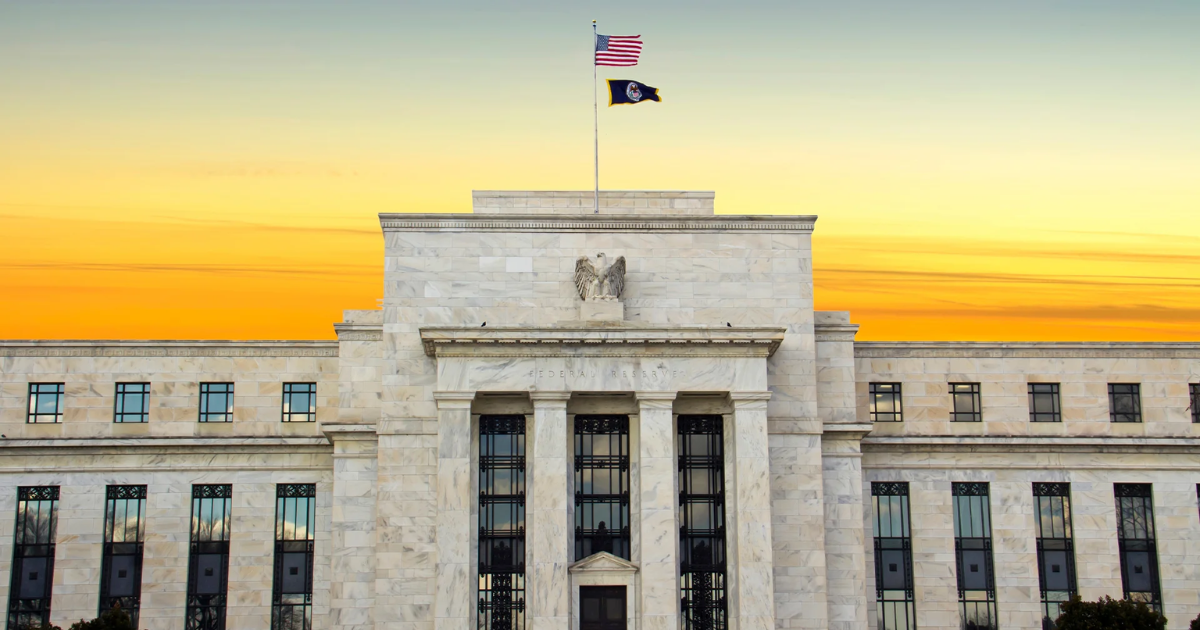
The immediate catalyst was actually political. It was Donald Trump naming Kevin Warsh as his pick to lead the Federal Reserve. Markets interpreted that as a shift toward a more hawkish, independence-leaning Fed path than some investors feared, which helped push the US dollar higher — a classic headwind for dollar-priced commodities like gold and silver.
But the speed and size of Friday’s move weren’t just about macro headlines. This had the signature of a crowded trade being forced out. Both metals had been coming off an exceptional run, and when sentiment flipped, the selling intensified as leveraged positions started to unwind. In the background, margin tightening added fuel to the fire.
CME Group moved to raise margin requirements on Comex gold and silver futures after the plunge, which effectively forces traders to post more collateral or reduce positions and often creates selling pressure even among people who still like the trade.
That “market plumbing” is a big reason silver looked like it fell down an elevator shaft. Silver tends to attract more speculative flow than gold, and when volatility spikes, it’s usually silver that gets hit hardest as risk is cut and leverage gets unwound. Gold, by contrast, typically has a deeper pool of longer-term demand that can reappear when prices dislocate, including central bank buying and hedging interest tied to geopolitics and fiscal uncertainty.
So what happens next? In plain terms, the market is now trying to rebuild a price “floor” while three forces fight it out: the US dollar’s direction, expectations for how restrictive the Fed might be, and whether forced selling is truly finished.
If the dollar stays firm and traders keep pricing a tighter policy path, that’s usually a headwind for precious metals. If the dollar cools and volatility settles, gold in particular can stabilise faster, while silver may remain jumpy simply because positioning was so stretched and the unwind can take time to fully clear.



Read Next
Sign up to get the inside scoop on today’s biggest stories in markets, finance, and business.
By clicking “Sign Up”, you accept our Terms of Service and Privacy Policy. You can opt-out at any time by visiting our Preferences page or by clicking "unsubscribe" at the bottom of the email.