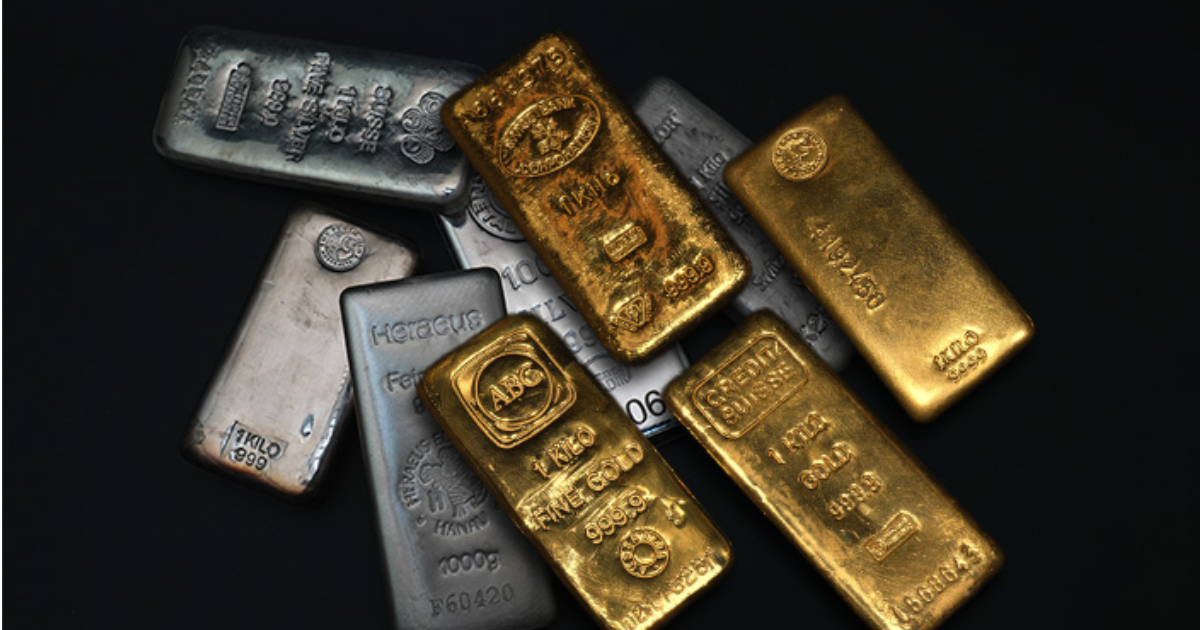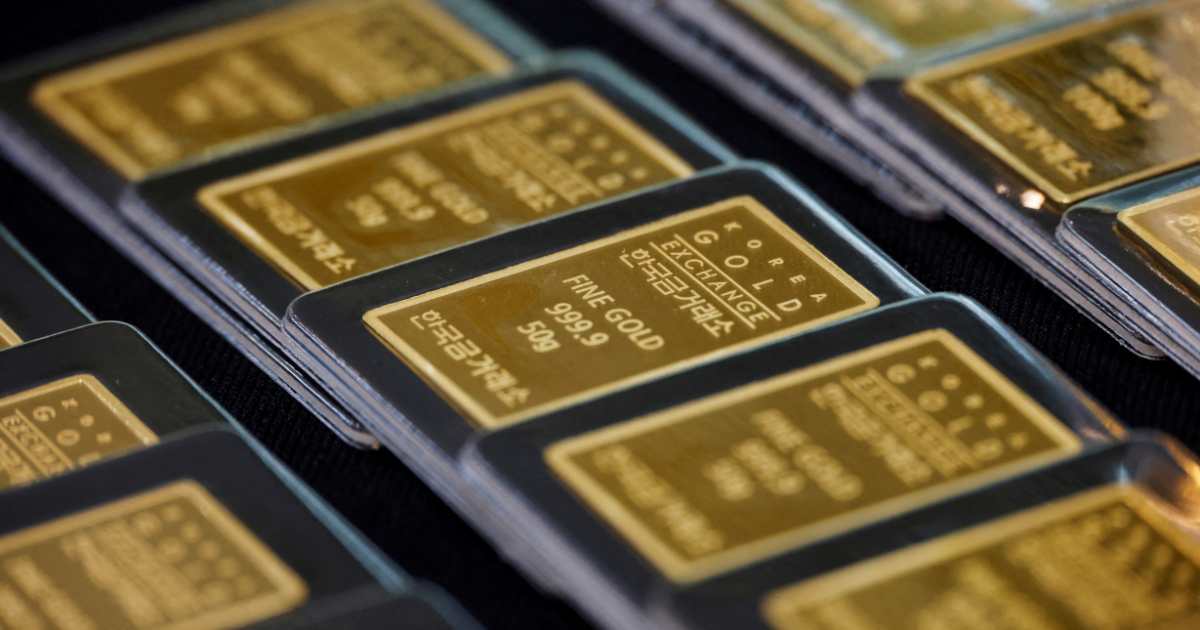
Gold prices are holding near record highs after Goldman Sachs raised its end-2026 price forecast to $5,400 per ounce, up from a previous estimate of $4,900, citing sustained demand from private investors and emerging-market central banks.
Spot gold climbed to a peak of $4,887.82 per ounce on Wednesday and is up more than 11% so far in 2026, extending a powerful rally that saw prices surge almost 65% in 2025. Prices eased slightly on Thursday but remained firmly elevated, underscoring what analysts describe as a structurally strong bull market rather than a short-term spike.
In a note dated Wednesday, Goldman Sachs said it expects private-sector “diversification buyers” to remain active through 2026 and not liquidate existing holdings, effectively lifting the base level of its price outlook.
“We assume private-sector diversification buyers, whose purchases hedge global policy risks and have driven the upside surprise to our price forecast, don’t liquidate their gold holdings in 2026,” the bank said.
Goldman Sachs also expects Western ETF holdings to rise as the Federal Reserve is forecast to cut interest rates by 50 basis points in 2026, a move that would typically support non-yielding assets such as gold. On the official sector side, the bank sees central bank purchases averaging around 60 tonnes in 2026, driven largely by continued reserve diversification among emerging-market economies seeking to reduce reliance on traditional currency holdings.
However, Goldman cautioned that a sharp reduction in perceived long-term risks around global monetary policy could weigh on prices, particularly if it triggers liquidation of macro hedging positions that have helped fuel gold’s rise.
Gold’s recent performance has reignited debate over how much further the rally can extend. Over the past year alone, prices have climbed around 65%, and in the first few weeks of 2026 gold briefly tested the $4,888 level before pulling back modestly.
As of Thursday, January 22, gold was trading near $4,827 per ounce, a level that many analysts view as consolidation rather than the start of a reversal. From a broader perspective, gold’s strength reflects a convergence of structural demand, macro-hedging activity, and a self-reinforcing technical uptrend that continues to attract trend-following investors.
Goldman’s revised forecast reinforces this view, suggesting that persistent buying by private investors and central banks has altered the long-term price trajectory rather than merely inflating a short-lived rally.
Market analysts increasingly argue that gold’s role is evolving beyond its traditional safe-haven status. Rania Gule, Senior Market Analyst at XS.com, describes the current environment as a “delicate phase” shaped by a fragile balance between geopolitical, economic, and monetary forces.
Despite a recent slowdown in momentum, she notes that gold has repeatedly recovered from early-year pullbacks and managed to hold above $4,800, at times approaching $4,925, even when risk sentiment has stabilised. In her view, this behaviour suggests investors increasingly see gold as a strategic asset to accumulate on dips, rather than a trade driven purely by fear or short-term uncertainty.



Read Next
Sign up to get the inside scoop on today’s biggest stories in markets, finance, and business.
By clicking “Sign Up”, you accept our Terms of Service and Privacy Policy. You can opt-out at any time by visiting our Preferences page or by clicking "unsubscribe" at the bottom of the email.