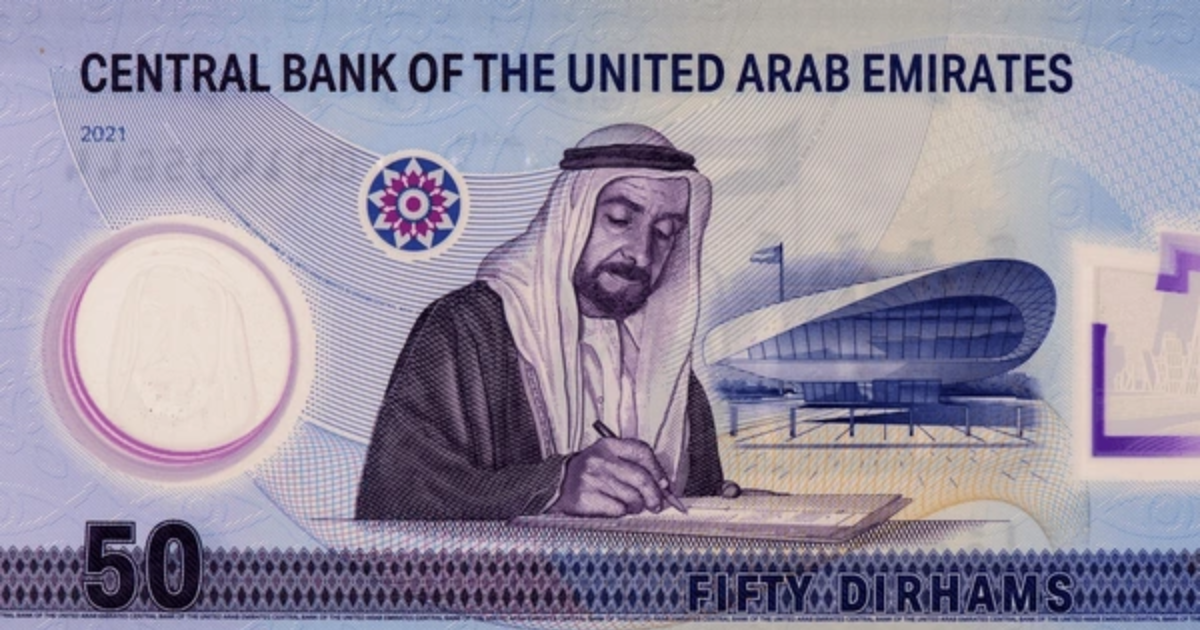
Landing a job with a salary of AED 20,000 (approx $5,500) is a fantastic milestone. In many parts of the world, that’s a golden ticket. In Dubai? It’s a solid middle-class income that opens the door to a comfortable life, but only if you play your cards right.
The "Dubai Trap" is a real thing. The glitz, the brunches, the luxury cars, and the tax-free status can lull you into a false sense of security. Before you know it, you're earning well but ending the month with zero dirhams in your account.
But contrary to what you may have heard, with AED 20,000 heading to your bank account at the end of each month, you can live well, have fun, and still build a future. Here is how to master your money in the desert.
To keep things simple, let’s apply the classic budgeting rule to your AED 20,000 income. This gives you a clear framework before you even spend a fill (that’s a cent, for the newcomers).
1. 50% Needs (AED 10,000): This covers your rent, utilities, groceries, and transport. These are the bills you must pay to survive.
2. 30% Wants (AED 6,000): This is your "fun fund." Dinners, weekends away, new clothes, and that latte you grab on the way to work.
3. 20% Future (AED 4,000): Savings, investments, and debt repayment.
Let’s break down exactly what this looks like in the real world.
Target Spend: AED 6,000 – AED 7,500
Housing will always be your biggest expense in the UAE. If you aren't careful, rent can easily eat up 40% or 50% of your salary, leaving you "house poor."
Where to look:
To stay within budget, you need to be smart about location. While a sea view in Dubai Marina is tempting, a 1-bedroom apartment there might cost AED 90,000+ a year. That breaks your budget immediately.
Instead, look at areas like Jumeirah Village Circle (JVC), Dubai Silicon Oasis, Sports City, or Arjan. You can find modern, spacious 1-bedroom apartments here for AED 60,000 – AED 75,000 a year (approx. AED 5,000 – 6,250 monthly).
Don’t forget the hidden costs:
Your rent isn't your only housing cost. You need to factor in things like:
1. DEWA (Water & Electricity): AED 500 – 800 (higher in summer due to AC).
2. Internet: AED 350 – 400 for a decent high-speed package.
3. Housing Fee: 5% of your annual rent, usually added to your DEWA bill.
Pro Tip: Try to negotiate the number of cheques. Paying in 4 or 6 cheques gives you better cash flow than paying in 1 or 2.
Target Spend: AED 1,500 – AED 2,500
You have two main choices here: Public transport or private car.
Let's say you choose the metro life. If you live and work near the Metro line, you can slash this budget significantly. A monthly pass is affordable (approx. AED 350), leaving you extra cash for Ubers or weekends.
If you want to go for the car life, this is a smart way to avoid the rush and escape the heat. However, a car is a money pit if you buy new. You'll need to think about costs like:
1. Car Loan/Lease: AED 1,500 – 2,000.
2. Fuel: AED 400 – 600 (depending on commute).
3. Salik (Tolls): AED 100 – 200.
4. Insurance & Registration: Annual costs that need monthly sinking funds.
If you're looking for the smartest move, consider buying a reliable, second-hand Japanese car. They hold their value well in the UAE and service costs are low. Avoid the temptation to finance a luxury car that looks cheap on the outside becuase its specs are non-GCC. And please, don't do it just because "everyone else has one."
Target Spend: AED 1,500 – AED 2,000
This category is where the "lifestyle creep" happens fastest. If you order Deliveroo or Talabat every night, you will blow through AED 3,000 easily. Cooking at home is your best financial friend. Shopping at reasonably priced supermarkets like Carrefour, Lulu, or Viva can keep your grocery bill under AED 1,200 for a single person. Reserve the remaining AED 300–800 for work lunches or lazy nights.
Target Spend: AED 6,000
This is a generous amount! With AED 6,000 of disposable income, you can truly enjoy Dubai. This covers things like your weekend brunches or dinners, gym memberships (AED 300 – 500), Netflix, Spotify, and other subscriptions, and shopping/personal care.
If you want a travel fund, consider placing AED 1,500 of this aside monthly for your annual trips home or vacations.
How to stretch it further: Download apps like The Entertainer or use credit card offers for "Buy 1 Get 1 Free" deals on dining and activities. There is no shame in using a voucher; in Dubai, it’s practically a sport.
Target Spend: AED 4,000
This is a non-negotiable. Before you pay your rent or buy groceries, move this money out of your checking account.
For your emergency fund, your first goal is to save 3–6 months of expenses (approx. AED 45,000). This could be kept in a high-yield savings account.
Once your safety net is built, you can think about investing. Look at low-cost ETFs or index funds. International platforms like Sarwa or Interactive Brokers are popular among UAE expats. If you can save AED 4,000 a month, that is nearly AED 50,000 a year. In five years, that’s a quarter of a million dirhams—enough for a property down payment or a massive boost to your retirement.
Budgeting sounds easy on paper, but Dubai can sometimes throw some unexpected curveballs. Here is how to handle them.
Rent is often paid in advance, and moving in requires a security deposit (5%) and agent fees (5%).
Solution: When you first arrive, live in a hotel apartment or a flat-share (monthly payments) for the first 3 months while you build up your cash reserves for a yearly rental contract.
AC bills can double in July and August.
Solution: Use "Budget Billing" if your utility provider offers it, or simply set aside an extra AED 200 during the winter months to cover the summer surge.
From parking fees and fines to sudden maintenance bills or one-off government admin charges, hidden costs can erode your carefully planned budget.
Solution: Include a “miscellaneous” buffer in your monthly plan—at least AED 500—and review your actual expenses every month. Regularly check your tenancy agreement for potential liabilities and factor these into your planning.
Dubai’s prices can rise quickly, and salary increments may not always keep pace. As your income grows, the temptation to spend more on “wants” increases.
Solution: Revisit your budget every six months. Prioritize boosting your savings or investment contributions when you get a raise, rather than upgrading your lifestyle immediately.
While employers cover basic health insurance, family and comprehensive policies often require additional spending. Medical emergencies can pose serious financial strain.
Solution: Research supplemental insurance options and budget for higher coverage if you have dependents. Build an emergency fund specifically for medical expenses to ensure peace of mind.
Flights to visit family abroad and supporting loved ones at home or back in your home country are common additional expenses for expatriates.
Solution: Allocate a portion of your “wants” category to a travel fund, and plan trips in advance to lock in the best deals. Factor regular remittances into your budgeting process from the outset.
Earning AED 20,000 in Dubai puts you in a powerful position. Managed correctly, this income bracket isn’t just about affording comfort today, but can help provide a real opportunity to lay the groundwork for lasting financial wellness. But, as with all opportunities, your long-term success depends on your strategy, mindset, and daily choices.
Financial discipline is the defining factor. By sticking to your budget, setting aside savings before spending, and resisting lifestyle inflation, you put yourself on the path to real wealth accumulation. The city’s glamour can be dazzling, but the most successful expats are those who master their impulses, set clear priorities, and focus on their own goals, not the spending habits of others.
Long-term planning is essential. Don’t just budget for this year; think about where you want to be in five or ten years. Use your Dubai years to build up an emergency fund, invest regularly, and perhaps even save for a property or build an international portfolio. Take the time to reassess your goals and progress every few months, adjusting your strategy as your life evolves.
The difference between leaving Dubai with a zero balance and leaving with a small fortune is purely discipline. Enjoy what this great city has to offer, but respect the 20% savings rule. Your future self will thank you for it.
Yes, a monthly salary of AED 20,000 is considered a good income in Dubai. It places you comfortably within the middle-class bracket, allowing for a high quality of life. With strategic budgeting, this income supports renting a modern apartment in a desirable area, owning a reliable vehicle, enjoying the city’s dining and leisure scene, and—most importantly—building significant savings for your future. Success at this level depends on managing lifestyle inflation and prioritizing your financial goals.
To maintain financial health, we recommend following the 30% rule, which suggests capping your housing expenses at roughly AED 6,000 to AED 7,000 per month. This budget allows you to find high-quality 1-bedroom apartments in popular residential communities like Jumeirah Village Circle (JVC), Dubai Silicon Oasis, or Dubai Sports City. Spending significantly more than this may compromise your ability to save for emergencies or future investments.
Yes, a small family can live on AED 20,000, though it requires disciplined financial planning. The primary challenge for families is education costs, as school fees in Dubai can be substantial. To make this budget work effectively:
Utility costs, specifically DEWA bills, can fluctuate—especially during the hot summer months. To control these costs:
The 50-30-20 rule is a budgeting framework that splits your income into:
Saving AED 4,000 (20%) immediately on payday helps you stay consistent—even in Dubai.
Beyond rent, you’ll often need to budget for:
On AED 20,000, buying a reliable pre-owned car is often the most cost-effective option. Leasing can be convenient, but usually costs more long-term. If you live near the Metro, you might skip a car entirely and boost savings.


Read Next
Sign up to get the inside scoop on today’s biggest stories in markets, finance, and business.
By clicking “Sign Up”, you accept our Terms of Service and Privacy Policy. You can opt-out at any time by visiting our Preferences page or by clicking "unsubscribe" at the bottom of the email.