Bitcoin has moved from a niche internet experiment into one of the most widely recognised digital assets in the world. While its price can be highly volatile, interest in Bitcoin remains strong among people who want to understand crypto, access digital asset markets, or explore how blockchain-based finance works.
For residents in the Emirates, the process of buying Bitcoin has become even more accessible over the years. As time has past and Bitcoin has moved from strength to strenth, the UAE has beome one of the first countries to develop a growing virtual asset ecosystem, with crypto exchanges, regulatory frameworks, and payment options making it easier to buy, sell, and store digital assets through recognised and regulated platforms.
If you're looking for how to buy Bitcoin in the UAE, this guide is a must-read. We cover everything you need before getting started, which types of platforms are commonly used, and the key safety points to consider before making a purchase.
Quick answer, yes. Bitcoin and other virtual assets compeltely legal to buy and sell in the UAE, but crypto-related activities are still regulated here. In Dubai, the Virtual Assets Regulatory Authority (VARA) oversees the provision, use, and exchange of virtual assets in and from the emirate. The DFSA also regulates crypto token activity within the DIFC under its own framework.
This means residents can access crypto platforms, but it is important to use providers that operate within the appropriate regulatory framework. Crypto assets remain high-risk, and regulation does not remove market volatility or platform risk, so the medium you use is still extremely important and your responsibility.
If you're looking to enter the market for Bitcoin, be prepared for some admin first. Before buying Bitcoin, most platforms will ask you to complete a standard registration and verification process. This step might seem like a hassle, but it's there to protect both investors and the exchange and keep the process above board. The onboarding process amongst regulated brokerages and exchanges usually includes:
KYC, or “Know Your Customer,” is a common requirement across financial platforms, used by exchanges verify users and comply with anti-money laundering rules. Here, you'll most likely need to submit a "Proof of Identity" document, like an Emirates ID, and also a "Proof of Address" document, which could include a tenency contract or DEWA bill with your address on it. In some cases, platforms could also ask for a "Source of Wealth" document also.
Suitability tests are another layer to the KYC process that you can expect to face. This part is essentially a knowledge assessment that regulated platforms will conduct during the onboarding process, to ensure clients understand the associated risks when dealing with crypto assets.
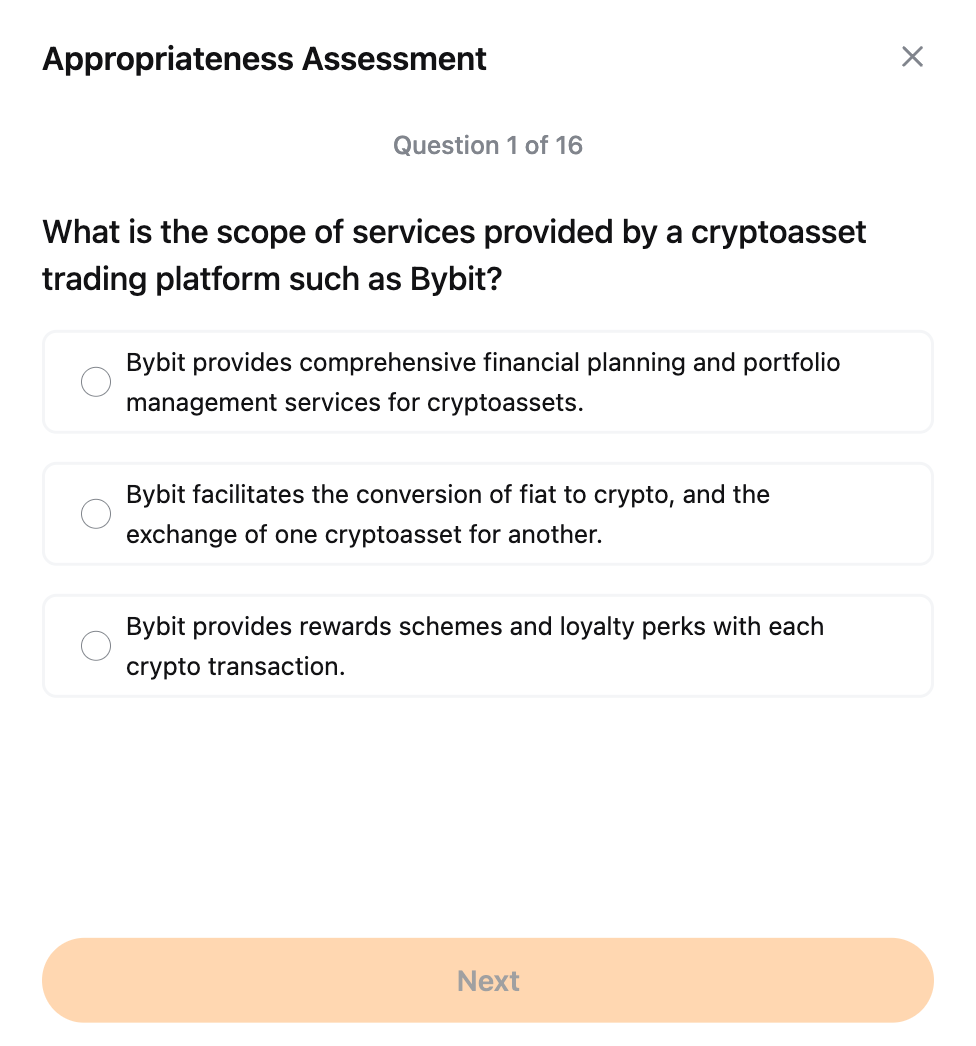
There are several ways to buy Bitcoin in the UAE, but most beginners use a cryptocurrency exchange. These platforms allow users to create an account, deposit funds, and buy Bitcoin through a trading interface or simple buy/sell feature.
Binance is one of the world’s largest cryptocurrency exchanges and has a presence in Dubai through Binance FZE. Back in 2024, Binance announced it had secured a VARA licence in Dubai, allowing it to expand its services to retail clients in addition to qualified and institutional users.
For UAE users, Binance may appeal because of its broad range of crypto assets, trading tools, and mobile app. The platform allows AED transfers and gives access to over 300 digital assets. However, beginners should take time to understand the difference between simple spot buying and more advanced features such as margin or leveraged trading, which carry additional risks.

Bybit is another major crypto exchange with strong visibility in the UAE market after moving its main headquarters from Singapore to Dubai in 2022. Bybit provides UAE traders a regulated environment with direct AED bank transfers. As of late 2025, Bybit recieved a full license from the UAE's Securities and Commodities Authority (SCA), becoming a regulated entity for crypto trading, brokerage, and custody in the UAE.
It offers spot trading, derivatives, copy trading features, and access to a wide range of digital assets. For beginners, the key point is to start with the basic buy/sell functions rather than jumping straight into advanced trading tools.
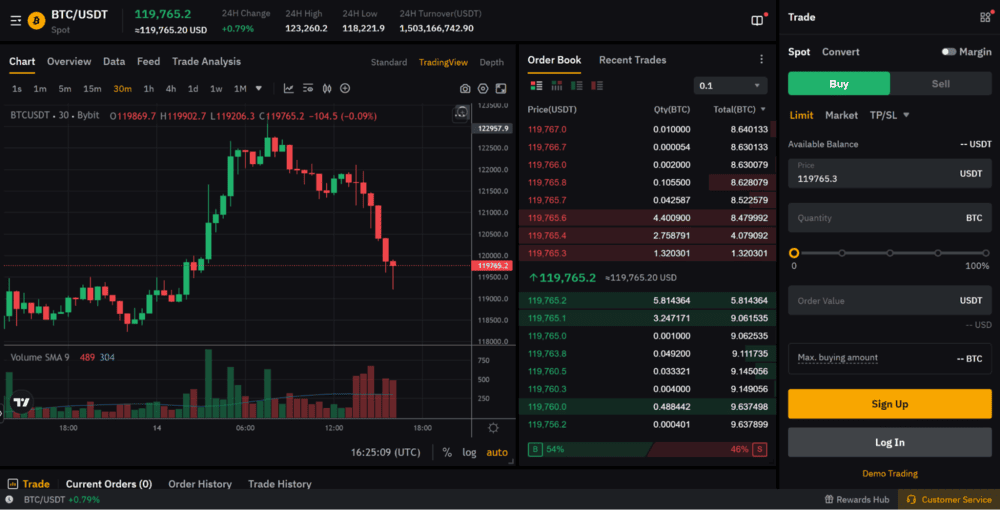
Copy trading and leveraged products can be risky, especially for users who do not fully understand how they work. If you are buying Bitcoin for the first time, it is worth focusing on account security, payment methods, fees, and withdrawal options before exploring more complex features.
OKX is a global crypto exchange known for its trading tools, liquidity, and Web3 features. It may suit users who want access to a broader crypto ecosystem beyond basic buying and selling. However, the same rule applies: more tools do not automatically mean a better experience for beginners. Before using any platform, compare the fees, deposit methods, security features, withdrawal process, and whether the platform is authorised to serve users in your jurisdiction.

BitOasis is a Middle East-focused digital asset platform that has historically been popular among users in the region. Its local positioning may make it easier for some UAE residents to understand deposit options, account setup, and regional requirements.
As with any exchange, users should check the platform’s current regulatory status, supported payment methods, fees, and asset availability before creating an account.

Depending on the platform you choose, the exact process is inevitably going to vary slightly. But the general steps are usually quite similar. Here's a simple step-by-step guide on what kind of process you can expect.
Start by comparing exchanges available in the UAE. Look at regulation, fees, payment methods, security features, customer support, and how easy the platform is to use. Avoid choosing a platform based only on popularity or promotional offers.
Once you choose a platform, create an account using your email address or mobile number. Use a strong password and enable two-factor authentication immediately. Treat your crypto account with the same level of care as your online banking.
Most exchanges will ask you to verify your identity before you can deposit or withdraw funds. This may involve uploading your Emirates ID, passport, selfie verification, or proof of address. This step is normal and forms part of the platform’s compliance process.
After your account is verified, you can add funds using one of the platform’s supported payment methods. Depending on the exchange, this may include bank transfer, debit card, credit card, or other local payment options.Before depositing, it's important to check the following.
Once your funds are available, search for Bitcoin or BTC on the platform. You can usually choose the amount you want to buy in AED or in BTC. Review the exchange rate, fees, and final amount before confirming the transaction.
After buying Bitcoin, you can either leave it on the exchange or transfer it to a personal crypto wallet. Leaving it on an exchange may be easier for beginners, but it also means you are relying on the platform’s custody and security systems.
For longer-term storage, some users prefer external wallets, including hardware wallets. These require more responsibility, because losing access to your wallet or recovery phrase can mean losing access to your funds permanently.
Buying Bitcoin through a recognised platform can be straightforward, but it is not risk-free. Bitcoin prices can move sharply, exchanges can change their fees or services, and users can lose funds through scams, phishing, or poor account security.
Before buying, it is worth understanding the main risks. Here are some of the main ones to note down.
The UAE has taken steps to regulate virtual asset activity, but regulation does not guarantee profit or eliminate risk. VARA states that it oversees virtual asset activity in and from Dubai, while UAE-level rules also require licensing or approval for those carrying out virtual asset activities.
If you are new to crypto, it is worth slowing down before making your first purchase. Buying Bitcoin is not difficult, but understanding what happens before, during, and after the transaction can help you avoid common mistakes.
Start with the basics: learn what Bitcoin is, how exchanges work, and what it means to store crypto in a wallet. The most important concept to understand is that crypto gives users more direct control over their assets, but that also comes with more personal responsibility. If you lose access to your account, send funds to the wrong wallet address, or share your recovery phrase, reversing the transaction may not be possible.
Before confirming a purchase, compare the full cost of buying Bitcoin. This includes trading fees, deposit fees, withdrawal fees, card charges, and any exchange-rate spread if you are funding your account in AED. A platform that looks cheap at first glance may not always be the cheapest once all costs are included.
Security should also be a priority from day one. Use a strong password, enable two-factor authentication, and avoid clicking links from emails, messages, or ads that claim to come from an exchange. It is safer to access your account directly through the official app or website. Never share your password, OTP codes, private keys, or wallet recovery phrase with anyone.
It is also sensible to keep records of your crypto activity, especially if you use more than one exchange or move funds between wallets. Save confirmations, transaction IDs, deposit records, and withdrawal details. This makes it easier to track your activity and resolve issues if a payment, transfer, or verification step is delayed.
Buying Bitcoin in the UAE is now relatively accessible, with several exchanges offering account setup, AED funding options, and mobile apps for users in the region. The process usually involves choosing a platform, verifying your identity, depositing funds, buying BTC, and deciding how you want to store it.
The important part is not rushing. Bitcoin is a volatile asset, and the platform you use, the fees you pay, and the security steps you take all matter. For beginners, the best starting point is to understand the process clearly, compare providers carefully, and use platforms that operate within recognised regulatory frameworks.
Yes, Bitcoin and other virtual assets are legal to buy and sell in the UAE. However, crypto-related services are regulated, so residents should use recognised platforms and understand the risks before buying.
You usually need a valid email address, UAE mobile number, Emirates ID or passport, and a supported payment method such as a bank account, debit card, or credit card. Most platforms will also require KYC verification.
The easiest way is usually through a cryptocurrency exchange. After creating an account, completing verification, and depositing funds, you can search for Bitcoin or BTC and confirm your purchase.
Popular and trusted platforms used by UAE residents include Binance, Bybit, OKX, and BitOasis. Before choosing one, compare fees, AED deposit options, withdrawal methods, security features, and regulatory status.
Yes, some crypto exchanges support AED deposits or local payment methods. Availability depends on the platform, so it is worth checking deposit options before opening an account.
Keeping Bitcoin on an exchange may be easier for beginners, but it means relying on the platform’s security. Some users prefer personal wallets for more control, though this requires careful management of private keys and recovery phrases.
Once your account is verified and funded, buying Bitcoin can take only a few minutes. The longer part is usually account verification or waiting for deposits to clear.


Read Next
Stay ahead on money, banking, and business across the Middle East.
By clicking “Sign Up”, you accept our Terms of Service and Privacy Policy. You can opt-out at any time by visiting our Preferences page or by clicking "unsubscribe" at the bottom of the email.