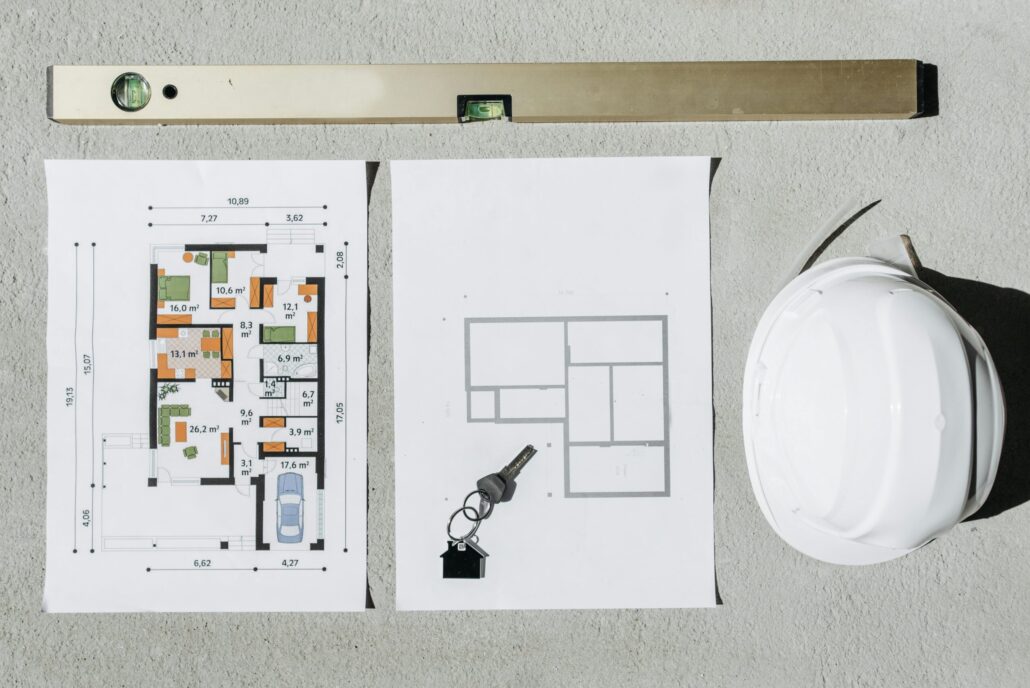
Quick Summary: Off plan means buying a property before it's been built, directly from the developer. In Dubai, you pay in staged instalments tied to construction milestones rather than all upfront. It's typically cheaper than buying a completed home, comes with strong legal protections, and you can even sell the property before handover if your circumstances change. Read on for the full picture.
If you've started browsing Dubai real estate, you've probably seen the term everywhere, so what does off plan mean exactly? An off plan property is one you purchase before construction is complete, sometimes before a single brick has been laid. You're buying based on floor plans, 3D renders, and the developer's vision of the finished product, not a home you can walk through and touch.
That might sound like a leap of faith. But in Dubai it's actually the norm. According to Engel & Völkers, off plan accounts for more than 60% of all property sales in the emirate, which tells you something about how well-established and trusted the model has become here.
You don't pay the full price upfront. Most buyers secure their unit with an initial down payment of 10 to 20%, then sign a Sales Purchase Agreement (SPA). Subsequent payments are tied to construction milestones, so you're paying in stages as the building progresses, not handing over a lump sum on day one.
The typical buying process runs like this: you select a property, sign a reservation agreement, make your initial deposit, execute the legally binding SPA, then pay instalments on the agreed schedule before settling any remaining charges at handover.
One thing worth knowing before you start: additional costs include the Dubai Land Department's (DLD) registration fee of 4% of the property value, plus an administration fee. Factor those in from day one so there are no surprises later.
Your purchase also gets registered through a system called Oqood. Think of it as Dubai's official record of off plan contracts. It's the legal proof that you own the property during the construction period, and it's what gets updated when ownership eventually transfers to you at handover.
Off plan properties in Dubai span the full range of the market, from compact studios in Jumeirah Village Circle to waterfront villas on Palm Jumeirah. What they share is that they're sold by developers directly, before or during construction, often in communities that are still being built out.
Areas like Dubai Creek Harbour, Dubai South, and Business Bay are popular for off plan launches because they're expanding fast and developers are actively marketing new phases. These locations tend to offer more competitive entry prices than established communities precisely because they're still developing, but that's also where the appreciation potential lies.
The pricing is the obvious draw. Off plan properties typically come in at 20 to 30% below market rates compared to completed properties in the same area, according to Holo. For a first-time buyer who's been priced out of the ready property market, that gap can be the difference between owning and renting indefinitely.
The payment structure matters too. Spreading costs across the construction period gives you breathing room if you don't have the full purchase price available right now.
Some developers sweeten the deal further by covering certain legal costs, including the 4% Dubai Land Department fee, to attract early buyers. That's a meaningful saving worth asking about before you commit to any specific project.
There's also an appreciation angle that first-timers often don't consider. Buyers who purchase early can see the value of their unit rise before they've even received the keys, particularly if they buy at launch price. That's a dynamic that simply doesn't exist with a ready property purchase.
One more thing worth mentioning: during early construction phases, some developers allow limited customisation of layouts, materials, or finishes, subject to DLD guidelines. It's a level of personalisation that isn't possible once a property is finished.
Delays happen. Projects don't always complete on schedule, and a late handover affects move-in timelines for buyers planning to live in the property, and pushes back rental income for those buying to invest.
There's also the gap between expectation and reality. The view you anticipated may not exactly match the brochure, and the living space can feel different from the renders. Marketing materials showcase the best version of a project, not necessarily every individual unit within it. Reading your SPA carefully and visiting a show unit whenever one is available will go a long way.
The single most important thing you can do is choose your developer carefully. Look at what they've delivered before, how they handled previous projects, and whether payment plan terms are clearly documented in the contract.
A lot of first-timers hesitate because buying something that doesn't yet exist feels risky. That concern is understandable, but Dubai has put serious regulatory infrastructure around off plan sales.
According to Engel & Völkers, the Real Estate Regulatory Agency (RERA) oversees all off plan transactions, and developers must be registered and compliant with strict project requirements. All buyer payments go into an escrow account monitored by the Dubai Land Department, with funds released to the developer only when specific construction milestones are verified. Your money isn't sitting in the developer's general account.
RERA and the DLD also require developers to deposit 20% of the project's total cost into an escrow account before sales can begin. That's a legal requirement, not a courtesy, designed to confirm the developer has genuine capacity to deliver.
This is something first-time buyers rarely think about at the start, but it's worth understanding upfront. If your circumstances change before handover, or if the market moves in your favour and you want to lock in a profit early, you can sell your off plan property before it's completed. This is called an assignment sale.
It's perfectly legal, but it comes with conditions.
Most developers require you to have paid 30 to 40% of the total property value before they'll grant permission to sell, according to MyBayut. Some set the threshold higher, so check your SPA carefully before assuming you're eligible.
The process works like this: you confirm you've met the minimum payment threshold, apply to the developer for a No Objection Certificate (NOC), find a buyer willing to take over your contract and remaining payment plan, then complete the assignment at a DLD-approved trustee office with a RERA-registered broker. The Oqood registration is updated to reflect the new buyer's name, and you exit the investment.
On costs: Property Finder notes that the DLD transfer fee is generally 4% of the resale price, most often paid by the buyer. Agent commission typically falls between 2 and 3% of the sale price, usually the seller's responsibility. NOC and trustee office fees add to that, so factor them into your numbers before you set a resale price.
One important note: if you financed the purchase through a mortgage, the bank must approve the resale and the existing mortgage will usually need to be cleared as part of the transaction.
A ready property is fully constructed and available to move into or rent out immediately. Off plan is sold before completion, often well before, and you wait out the construction period in exchange for a lower entry price and staged payments.
If you need somewhere to live right now, ready is the straightforward answer. But if you're buying to invest, or you're happy to wait in exchange for better pricing and potential capital growth, off plan is worth understanding properly. Dubai's off plan market is open to international buyers too. Foreign nationals can purchase property in freehold areas, which account for 90% of the city, covering some of the most desirable addresses in the emirate.
Getting the terminology and the process clear is the foundation of any smart property decision in Dubai. From here, it comes down to finding the right developer, the right project, and a payment structure that works for where you are financially.



Read Next
Stay ahead on money, banking, and business across the Middle East.
By clicking “Sign Up”, you accept our Terms of Service and Privacy Policy. You can opt-out at any time by visiting our Preferences page or by clicking "unsubscribe" at the bottom of the email.